

Immunology Uvea
What is Immunology & Uvea ?
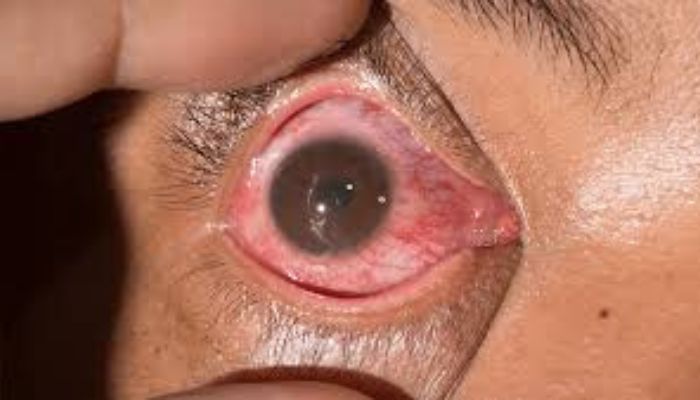
The uvea is the middle layer of the eye, made up of the iris, ciliary body, and choroid. It is rich in blood vessels and can be affected by various immune-mediated disorders, resulting in inflammation or damage that can threaten vision.
Causes of Uveal Disorders:
Autoimmune diseases (e.g., sarcoidosis, Behçet’s disease, Vogt-Koyanagi-Harada syndrome)
Infectious causes (e.g., tuberculosis, syphilis, toxoplasmosis)
Systemic inflammatory conditions
Idiopathic (unknown origin)
Post-surgical or post-traumatic inflammation
Diagnosis:
Comprehensive slit-lamp examination
Dilated retinal exam to check posterior uvea (choroid)
Ocular imaging (OCT, Fundus Fluorescein Angiography, Indocyanine Green Angiography)
Ultrasound biomicroscopy (UBM) for ciliary body evaluation
Blood tests and imaging to identify systemic associations
Interdisciplinary evaluation with immunologists or rheumatologists
Treatment:
Topical, periocular, or systemic steroids to reduce inflammation
Immunomodulatory therapy (IMT) in chronic or recurrent cases
Biological agents (like anti-TNF drugs) in severe autoimmune cases
Antibiotics/antivirals if infections are involved
Surgical intervention for complications (glaucoma, cataract, retinal involvement)
Our Facilities:
Dedicated Uvea & Immunology Clinic
Advanced imaging: OCT, FFA, UBM, ICG angiography
In-house laboratory diagnostics for infections and autoimmune panels
Integrated care with rheumatology and general medicine
Long-term follow-up and customized treatment planning
Patient counseling and support for chronic disease management